The Elite Status Qualification Calendar: When Every Major Programme’s Clock Resets
When does each airline and hotel programme’s qualification year reset? A 2026 reference covering calendar-year, April–March, personal-perio…
Read article →Independent Miles Mosaic guide. No programme partnerships, no account linking, no scraped balances. Sources cited below; corrections welcomed.
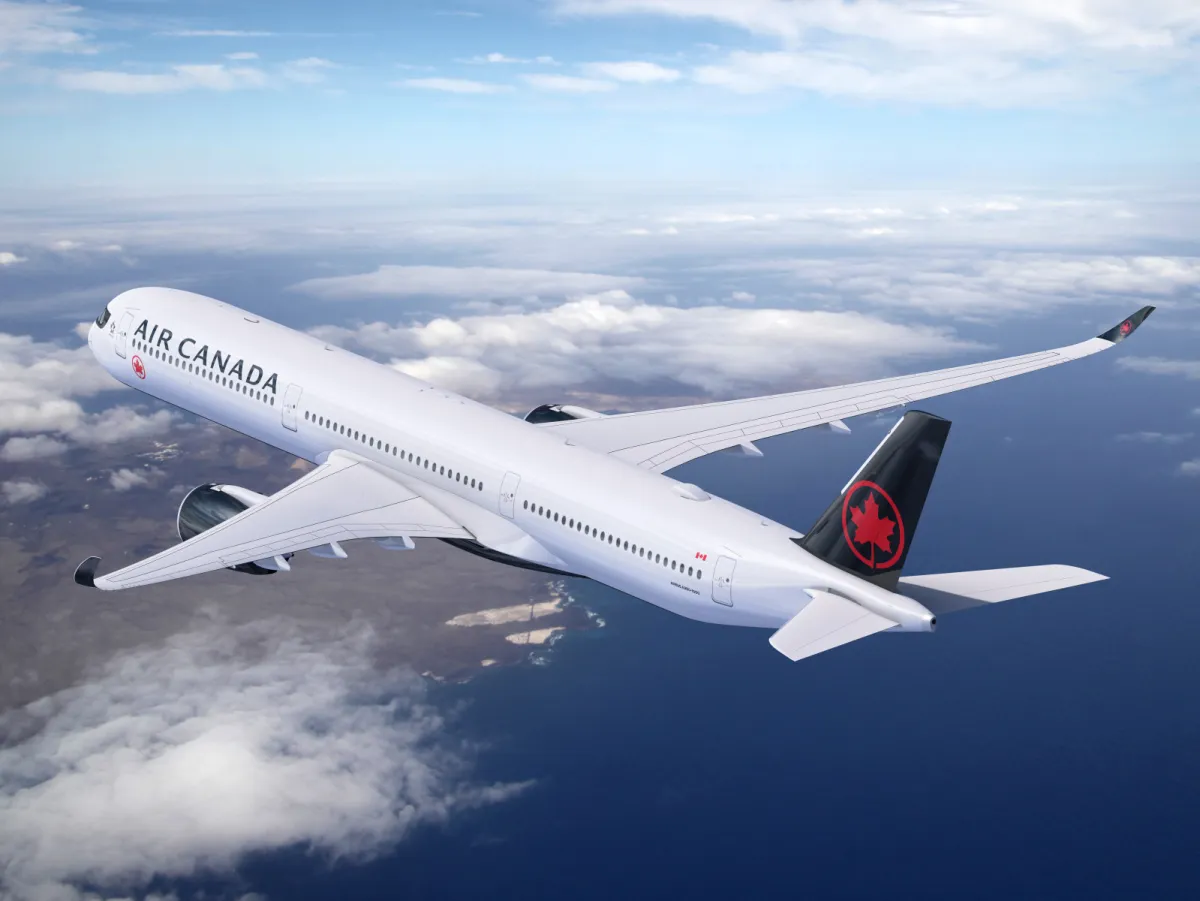
Air Canada Aeroplan 35K sits between 25K and 50K in the elite ladder, still Star Alliance Silver but with a benefit set that meaningfully outpaces the entry tier. At 35,000 Status Qualifying Credits in a calendar year, the new metric Aeroplan adopted 1 January 2026, 35K is achievable for committed flyers short of 50K.
Chasing this status across other programmes too? Most frequent flyers hold status with more than one airline or hotel. See our guide to tracking and keeping elite status across every programme, then let Miles Mosaic forecast whether your booked trips will requalify you, with no loyalty password required.
The reading on 35K in 2026 is that it has become the most interesting tier in the lower ladder because of where the benefits land. The three-bag allowance at 32kg, the dedicated security lanes at many airports, and the 10 eUpgrade allocation make 35K feel materially more useful than 25K at a manageable additional cost. This guide covers what 35K delivers per the Aeroplan Elite Status page, the realities of the new SQC framework, and the practical paths to the line, including for travellers who cleared 25K under the old SQM rules and are wondering whether the higher tier is now within reach.
| Tier | Qualification threshold | Star Alliance equivalent | Tracker |
|---|---|---|---|
| Aeroplan 25K | 25,000 SQC | Star Alliance Silver | Read |
| Aeroplan 35K | 35,000 SQC | Star Alliance Silver | |
| Aeroplan 50K | 50,000 SQC | Star Alliance Gold | Read |
| Aeroplan 75K | 75,000 SQC | Star Alliance Gold | Read |
| Aeroplan Super Elite | 125,000 SQC | Star Alliance Gold | Read |
Aeroplan 35K earns at a 3x Aeroplan points multiplier on base fares and surcharges for Air Canada flights, versus 2x at 25K and 4x at 50K. Across an active year of paid Air Canada flying that uplift compounds into a meaningful incremental Aeroplan points balance.
The headline operational benefits at 35K compared with 25K include three complimentary checked bags at 32kg each on Air Canada flights whatever the fare, 10 eUpgrade credits per status year (double the 5 credits at 25K), priority baggage handling on Air Canada flights, and dedicated priority security lanes at many airports worldwide. 25K, by contrast, adds one 23kg bag to what an Economy fare includes, up to two bags in total, as Air Canada's Elite Status core benefits page sets out tier by tier. The 32kg weight matters because many other Star Alliance Silver carriers cap their elite-tier weight allowance at 23kg, which makes the 35K bag allowance the most concrete differentiator from 25K and one of the most useful Aeroplan benefits at this tier. Boarding does not differ at all: Air Canada's boarding by zone page places 25K and 35K members alike in Zone 2 on flights operated by Air Canada, Air Canada Rouge and Air Canada Express.
35K members also access complimentary same-day flight changes on Air Canada Group flights, priority handling at all Air Canada touchpoints, complimentary preferred seating at check-in (excluding Economy Basic), and priority phone-line access for the Aeroplan member-service channels. The Air Canada Premium Economy and Business class upgrade clearance rate at 35K is meaningfully higher than at 25K given the upgrade-priority placement, though the new five-eUpgrade allocation at 25K versus ten at 35K means the gap is larger in absolute eUpgrade firepower than in queue position.
35K members also hold Star Alliance Silver, and Aeroplan adds partner benefits of its own on top. On United, 35K members can use the Premier Access check-in line and board with Group 2 on eligible flights. On the Lufthansa Group (Lufthansa, SWISS, Austrian, Brussels), 35K members can use business-class check-in counters, a small but consistent uplift on European travel. From February 2026, 35K members can also check one extra 23kg bag beyond what their Economy fare includes, up to two bags in total, on flights operated by United and by seven Lufthansa Group carriers (Lufthansa, Brussels Airlines, SWISS, Austrian, Discover Airlines, Lufthansa City and Air Dolomiti), as Air Canada's September 2025 Aeroplan Elite update and its core benefits page set out. The partner bag does not apply to Lufthansa Group Light fares.
35K does not include automatic Maple Leaf Lounge access or Star Alliance partner lounge access, those begin at 50K with Star Alliance Gold status. The lounge access gap remains the most operationally meaningful difference between 35K and 50K, and is the structural reason 50K is the natural next qualification target for serious Aeroplan flyers at the 35K level. Maple Leaf Lounge passes are however selectable as a Milestone Benefit at 20,000 and 40,000 SQC, giving 35K members a route to a handful of lounge visits per year without 50K.
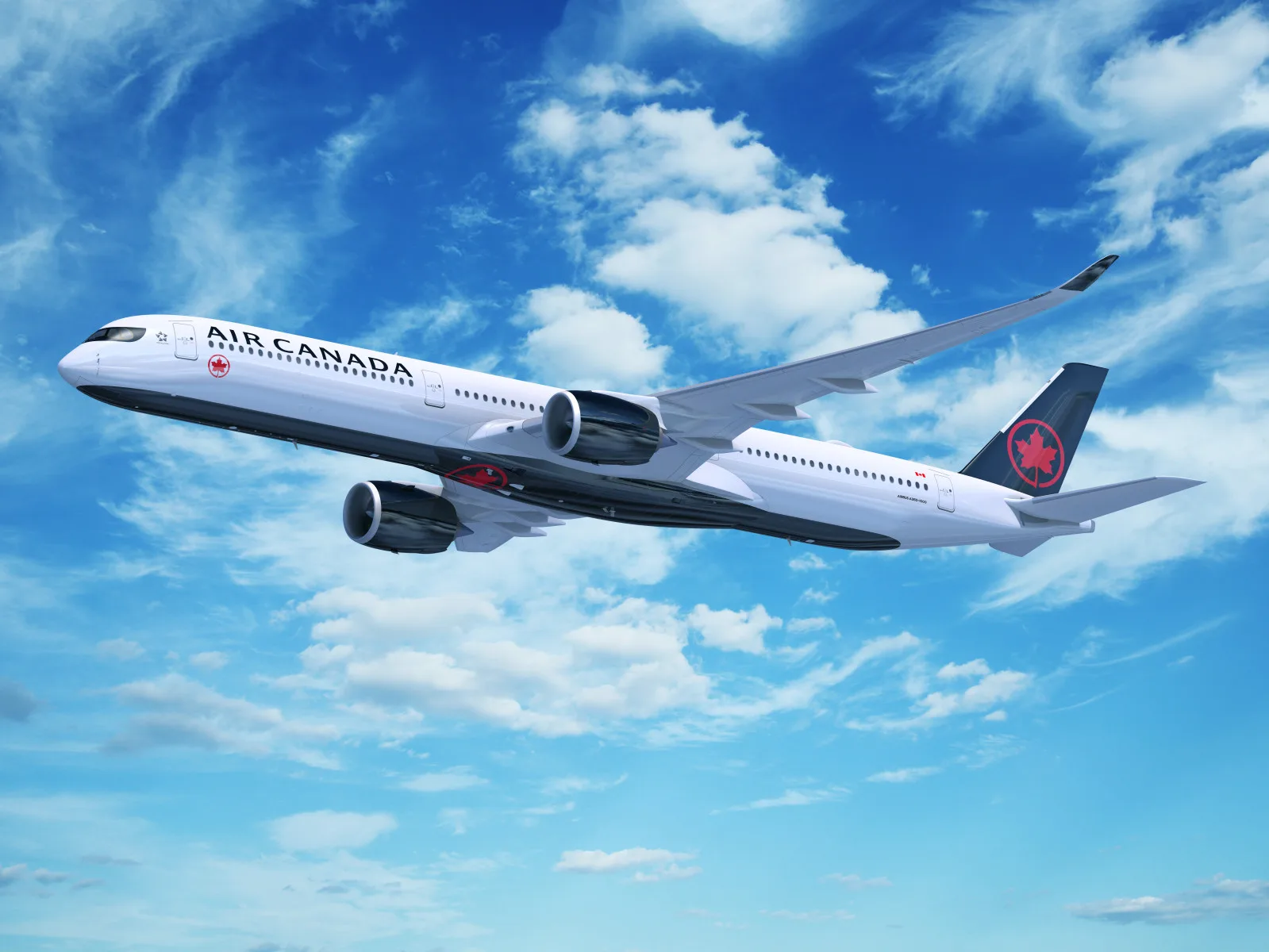
Aeroplan 35K requires 35,000 Status Qualifying Credits (SQC) in a calendar year. The legacy SQM/SQS/SQD framework was retired on 1 January 2026 and the entire elite ladder now runs on the single SQC metric. Qualification is documented on the Aeroplan qualification page.
How SQC is earned on Air Canada. Standard fares earn 2 SQC per CAD$1; Flex, Comfort, Latitude, Premium Economy, and Signature Class fares earn 4 SQC per CAD$1; Basic Economy earns zero SQC. Air Canada Vacations bookings earn 1 SQC per CAD$1, and paid eUpgrade add-ons earn 2 SQC per CAD$1.
How SQC is earned on Star Alliance partners. The ticket decides. Flights on Lufthansa, SWISS, Austrian, ANA, Singapore, United, EVA and the rest of Star Alliance earn SQC from the fare when the ticket is issued by Air Canada (ticket number starting 014): 2 per CAD$1 on Economy Standard fares and 4 per CAD$1 on Economy Flex fares and above, with no annual cap, the same rates as Air Canada's own flights. On a ticket issued by another airline, the same flights earn 1 SQC per 5 Aeroplan points, with the points set by distance on Aeroplan's partner chart, and that route is capped at 25,000 SQC per calendar year, a limit shared with Aeroplan's travel and everyday partners. Economy Basic earns no SQC on either ticket.
How SQC is earned via card spend. Premium Aeroplan cards in Canada (TD Visa Infinite Privilege, CIBC Visa Infinite Privilege, Amex Aeroplan Reserve) and the Chase Aeroplan card in the U.S. earn 1,000 SQC per CAD$5,000 of spend, capped at 25,000 SQC annually. To reach 35K through card spend alone, a member would need to combine the full 25,000 SQC card cap with 10,000 SQC from another source, typically partner flying or paid Air Canada activity. Pure card-fed 35K is therefore structurally blocked: the cap binds.
The qualification year runs the calendar year. 35K status earned in 2026 is valid through the end of 2027, the standard Aeroplan 14-month status runway.
| Metric | Aeroplan 35K requirement (2026 SQC framework) |
|---|---|
| SQC required | 35,000 |
| Earning on Standard fares | 2 SQC per CAD$1 of Air Canada-marketed ticket spend |
| Earning on Flex + higher fares | 4 SQC per CAD$1 (Flex, Comfort, Latitude, Premium Economy, Signature Class) |
| Star Alliance flights ticketed by Air Canada (014) | 2 SQC per CAD$1 on Economy Standard, 4 SQC per CAD$1 on Economy Flex and above; no cap |
| Star Alliance flights on another airline's ticket | 1 SQC per 5 Aeroplan points earned; capped at 25,000 SQC annually, shared with travel and everyday partners |
| Premium card earning | 1,000 SQC per CAD$5,000 spent; capped at 25,000 SQC annually |
| Spend equivalent (Flex+ fares) | ~CAD$8,750 on Air Canada Flex+ tickets to clear 35K from flying alone |
| Spend equivalent (Standard fares) | ~CAD$17,500 on Standard tickets to clear 35K from flying alone |
| Qualification period | Calendar year (Jan–Dec) |
35K is the tier most directly affected by the new framework's emphasis on paid fare value. Under SQM, 35K was the natural progression for travellers averaging two long-haul Air Canada Business class round-trips plus regular shorter-haul work. Under SQC, the relevant variable is the cash paid for those tickets rather than the distance flown. A Toronto-London Signature Class round-trip ticketed at CAD$4,500 earns 18,000 SQC. The same trip booked at a CAD$6,800 peak-week fare earns 27,200 SQC, past 25K and within striking distance of 35K from a single ticket. Travellers who buy at peak fares now reach 35K substantially faster; travellers who optimise for ticket value reach 35K more slowly than under SQM.
The eUpgrade allotment at 35K (10 credits per year) is unchanged from 25K's reduction, 35K's allotment actually held steady from 2025 at 10, while 25K was cut from 20 to 5 and 50K was cut from 20 to 15. That makes 35K's eUpgrade-per-SQC ratio the strongest in the lower ladder, an underrated programme detail.
Your Air Canada Aeroplan forecast
Chasing or holding Aeroplan 35K? Enter what you have so far and see where you land. It runs in your browser; nothing is sent anywhere until you choose to save it.
Thresholds verified 2026-08-12. Source Qualification window: 1 January to 31 December.
Aeroplan 25K is also reachable without SQC: 100,000 Everyday Status Qualification points (EDQ) in a calendar year, at 1 EDQ for each eligible Aeroplan point earned with partners
Aeroplan 25K at 25,000 SQC is 10,000 SQC below 35K, and the benefit gap is now larger than it was under the old SQM framework. 25K gets 5 eUpgrades and one 23kg bag on top of what an Economy fare includes (up to two in total); 35K gets 10 eUpgrades and three bags at 32kg whatever the fare. Both tiers carry Star Alliance Silver status, but 35K's higher priority placement on Air Canada upgrade lists materially improves the clearance rate.
Above 35K, Aeroplan 50K at 50,000 SQC is the qualification jump that unlocks Star Alliance Gold status, the structurally transformative benefit in the Aeroplan ladder. 50K gets unlimited Maple Leaf Lounge access at Air Canada hubs, Star Alliance partner lounge access across the alliance, and a wider operational benefit set including selectable Priority Rewards. The 15,000-SQC gap from 35K to 50K is the most leveraged jump in the Aeroplan ladder by benefit measure, and the case for pushing through it is rarely close on the spreadsheet.
For travellers averaging 35,000-45,000 SQC a year, 35K is the rational cruising-altitude tier. The benefits over 25K are real and the qualification gap is achievable without re-engineering travel patterns. For travellers projecting 50,000+ SQC, 50K's lounge access alone justifies the additional 15,000-SQC push.
Take a Vancouver-based consultant whose 2026 work travel includes monthly Air Canada round-trips between Vancouver and U.S. East Coast cities on Flex fares averaging CAD$1,100 round-trip (twelve trips contributing CAD$13,200 × 4 SQC = 52,800 SQC) plus two long-haul Premium Economy round-trips to Europe at CAD$3,200 each (CAD$6,400 × 4 SQC = 25,600 SQC). The combined paid Air Canada total reaches roughly 78,400 SQC, past 50K and well into 75K territory.
Drop the Vancouver-East-Coast cadence to every other month and the same itinerary lands at roughly 26,400 SQC from short-haul plus 25,600 from long-haul = 52,000 SQC, clearing 50K with margin and substantially overshooting 35K. The structural insight under SQC: 35K is most cleanly hit by travellers whose paid annual Air Canada flying, together with any Star Alliance flights ticketed by Air Canada, lands in the CAD$8,750-CAD$10,000 range on Flex fares, or by mixing Flex flying with a portion of partner SQC and card-fed SQC.
The nearest competitor tier is United MileagePlus Premier Gold, which also delivers Star Alliance Gold status, not Silver. That is a meaningful gap: United Premier Gold gets lounge access to Star Alliance Gold lounges worldwide on international itineraries, two free checked bags on United, and Premier Access at the airport. Aeroplan 35K, by contrast, sits at the same Star Silver level as 25K and delivers more bags and weight (three at 32kg) but no lounge access. Premier Gold's threshold is 8 Premier Qualifying Flights and 9,000 PQP, which at the United PQP earning rate is roughly $1,125 of paid United flying, substantially less than the CAD$8,750-CAD$17,500 needed to clear Aeroplan 35K.
That comparison is uncomfortable for Aeroplan: United Premier Gold is functionally a stronger alliance benefit at lower qualification cost than Aeroplan 35K. The Aeroplan rationale survives only if the traveller has a meaningful Air Canada flying base that wouldn't credit to United and values the 32kg bag allowance highly. For most U.S.-based travellers with mixed Star Alliance flying, Premier Gold at United is the more efficient Star Alliance Gold path; Aeroplan 35K is the right home only for travellers whose flying is genuinely Canadian-anchored.
The 35K path under SQC blends three sources, and the most efficient mix depends on the traveller's circumstances. For travellers who fly Air Canada regularly on paid Flex fares (corporate travel programmes typically default to Flex or higher), the simplest path is direct Air Canada accrual: CAD$8,750 of Flex+ flying clears 35K from a single source.
For travellers whose Air Canada flying skews toward Standard or promotional fares, the math is harder. Standard fares at 2 SQC/CAD$1 require CAD$17,500 of paid spend to clear 35K, a substantially higher floor. In that case, Star Alliance partner business-class flying is the lever, and the ticket sets its value. Ticketed by Air Canada (ticket number starting 014), a partner business-class fare earns 4 SQC per CAD$1 with no cap, the same rate as a Flex fare on Air Canada. Ticketed by the partner airline, it earns points by distance, 125% to 150% of the miles flown in most business booking classes on Aeroplan's Lufthansa, SWISS and ANA charts, and the 1-SQC-per-5-points conversion then yields roughly 2,300-4,100 SQC per long-haul round-trip from North America, all of it counting toward the 25,000 SQC partner cap. Either way, partner flying topped up with premium card spend brings 35K within reach without doubling what goes on Standard fares.
The Aeroplan co-brand cards now contribute SQC directly rather than the old SQD-floor mechanism. Premium cards earn 1,000 SQC per CAD$5,000 of spend, capped at 25,000 SQC annually. A holder who spends CAD$50,000 on a premium Aeroplan card earns the full 25,000 SQC card cap; combined with even CAD$2,500 of Flex+ Air Canada flying (10,000 SQC), that traveller clears 35K from a mostly-card-fed path. The Chase Aeroplan card structure in the U.S. follows the same arithmetic with U.S. dollar spend equivalents.
Three 35K surprises catch returning Aeroplan members in 2026. The first is the Star Silver lounge limitation. Like 25K, 35K does not include automatic lounge access; Maple Leaf Lounge access at Air Canada hubs and Star Alliance partner lounge access at partner airports both require Star Alliance Gold, which begins at 50K. Members who clear 35K expecting to access Maple Leaf Lounges are operating on a misreading of the alliance framework. The mitigation is the Milestone Benefit selection at 20,000 and 40,000 SQC, both of which can be redeemed for Maple Leaf Lounge passes, a route to occasional lounge access at 35K, but not the automatic entitlement that 50K provides.
The second is the upgrade-priority placement question. 35K sits above 25K in the upgrade queue but below 50K, 75K, and Super Elite. On competitive Air Canada routes, peak Friday transcontinentals, summer transatlantic, holiday transpacific, the upgrade competition from higher Aeroplan tiers can be substantial, with 35K complimentary upgrade clearance rates remaining moderate. The structural benefit is the queue position rather than the upgrade itself; the more reliable upgrade currency at 35K is the 10 eUpgrade credits, which can be applied for confirmable one-cabin upgrades subject to availability.
The third is the Basic Economy exclusion under SQC. Tickets booked in Air Canada's Basic Economy fare bucket earn zero SQC, which means cost-conscious travellers who used to clear 35K on a steady diet of discount fares cannot do so under the new framework. The effective qualification floor at 35K is now Standard or higher fares, and the practical recommendation is to book Flex when the corporate travel policy permits, the 4 SQC per dollar earning rate makes Flex disproportionately valuable for status accrual even when the cash price is meaningfully higher than Standard.
Aeroplan 35K is the middle Star Alliance Silver tier in the Aeroplan ladder, and under the new SQC framework it has become the most interesting tier in the lower ladder. The 35,000-SQC threshold is achievable for committed Aeroplan flyers with CAD$8,750+ of paid Flex+ Air Canada flying or a mix of paid flying, partner activity, and premium card spend. The triple checked bag allowance at 32kg, the 10 eUpgrade allocation, priority baggage handling, and dedicated security clearance lanes deliver materially more value than 25K. For travellers whose Aeroplan flying is structural, the next step is the push to 50K and its Star Alliance Gold lounge access; the 15,000-SQC gap to 50K is the most leveraged jump in the ladder. Track your SQC toward 35K and 50K free with Miles Mosaic.
Programme rules verified against the official sources below. External sites open in a new tab.
See your requalification forecast in under a minute. No account, and never a loyalty password.
Forecast my status, free →Share
Last reviewed: · How we research and update
When does each airline and hotel programme’s qualification year reset? A 2026 reference covering calendar-year, April–March, personal-perio…
Read article →Air Canada Aeroplan 25K in 2026: 25,000 SQC qualification, Star Alliance Silver, priority handling, and path to 50K.
Read article →Air Canada Aeroplan 50K in 2026: 50,000 SQC qualification, Star Alliance Gold, and Maple Leaf Lounge access at AC hubs.
Read article →Star Alliance in 2026: the 26-airline roster, falling to 25 when Asiana leaves in December, Gold benefits, and the best programmes to hold.
Read article →