Bonvoy Ambassador Elite: 2026 Tracker
Marriott Bonvoy Ambassador in 2026: 100 nights plus US$23k spend, Ambassador Service, Your24, and dual-gate reality.
Read article →Independent Miles Mosaic guide. No programme partnerships, no account linking, no scraped balances. Sources cited below; corrections welcomed.
Marriott Bonvoy Titanium Elite is where the programme stops feeling generous and starts feeling reliable. At 75 qualifying nights in a calendar year, Titanium is the second-highest tier in the Bonvoy ladder, sitting between Platinum and the aspirational Ambassador. It is the natural cruising-altitude tier for travellers averaging two or three Marriott nights a week.
Chasing this status across other programmes too? Most frequent flyers hold status with more than one airline or hotel. See our guide to tracking and keeping elite status across every programme, then let Miles Mosaic forecast whether your booked trips will requalify you, with no loyalty password required.
The reading of Titanium in 2026 is that it is the practical ceiling for most frequent travellers. The benefits delta over Platinum is meaningful but incremental, better earning, more upgrade reliability, more Suite Night Awards, rather than transformational. This guide covers what Titanium actually unlocks across the published benefits matrix, the realities of the 75-night qualification, and the tactics that get a traveller across the line without burning out.
| Tier | Qualification threshold | Tracker |
|---|---|---|
| Silver Elite | 10 nights | Read |
| Gold Elite | 25 nights | Read |
| Platinum Elite | 50 nights | Read |
| Titanium Elite | 75 nights | |
| Ambassador Elite | 100 nights + $23,000 qualifying spend | Read |
Titanium Elite earns a 75% bonus on every dollar spent at a Marriott property, which works out to 17.5 Bonvoy points per US dollar, the second-highest earning rate in the programme after Ambassador, which earns the same rate. The 75% bonus over Platinum's 50% looks small as a percentage, but across 75 nights of mid-to-high-rate stays the cumulative difference adds up to several thousand additional points by year-end.
The operational benefits at Titanium build on the Platinum benefit set. The published Bonvoy member-benefits matrix shows Titanium retains everything Platinum gets, lounge access at participating international properties, complimentary breakfast at most non-leisure brands, suite upgrades subject to availability, late checkout to 4 pm, the Annual Choice Benefit, and adds two distinct uplifts.
The first is the 48-hour guarantee at Marriott Hotels and most non-resort brands above that line. If a Titanium books direct within the guarantee window, properties are obligated to honour the booking even at full inventory occupancy. The second is the Choice Benefit menu, which at Titanium expands to include 5 additional Suite Night Awards on top of what the standard menu offers, operationally meaningful because Suite Night Awards are the most reliable way to confirm a suite upgrade rather than relying on the property's availability at check-in.
Titanium also tends to behave better at the suite-upgrade layer than Platinum at the same property. The published language is identical, both tiers get suite upgrades subject to availability, but front desks at the major business-city Marriotts tend to prioritise Titanium in the upgrade queue, particularly when occupancy is moderate and inventory is genuinely there to allocate.

Titanium Elite requires 75 nights in a calendar year, the third step up the ladder after Silver at 10 and Platinum at 50. Like every Bonvoy tier, the qualification is night-count only: no spend gate, no segment counter, no brand-mix requirement. Seventy-five nights at Courtyard, seventy-five at Ritz-Carlton, or any mix in between all count identically.
The qualification mechanic stays clean at this level, but the realistic effort to hit 75 nights is genuinely different from hitting 50. A 75-night Bonvoy year typically requires either a consistent recurring work-travel pattern that the traveller does not control, long-term project assignments, regional consulting roles, sales coverage roles, or a deliberate choice to consolidate hotel bookings onto Marriott rather than splitting across competing chains. Travellers whose work-travel cadence is more episodic often find 50 nights achievable and 75 just out of reach without re-engineering trips that would not otherwise need Bonvoy properties.
Co-brand cards continue to contribute. The 40 combined elite night credits from holding both the Bonvoy Brilliant and Bonvoy Boundless reduce the paid-night requirement for Titanium from 75 down to 35, which is a meaningful shift. For US-eligible travellers who already plan to clear Platinum, the marginal cost of pushing to Titanium with card credits in play is roughly 35 paid nights, still substantial, but well within reach for full-time business travellers.
The qualification year runs January through December, with Titanium status valid through the end of February of the year after the following year, exactly like the lower tiers. The 14-plus month status runway gives Titanium elites a long window to use the operational benefits and the expanded Choice Benefit menu.
| Metric | Titanium Elite requirement |
|---|---|
| Qualifying nights | 75 |
| Qualification period | Calendar year (Jan–Dec) |
Your Marriott Bonvoy forecast
Chasing or holding Titanium? Enter what you have so far and see where you land. It runs in your browser; nothing is sent anywhere until you choose to save it.
Thresholds verified 2026-06-27. Source
Also needs 23,000 USD qualifying spend
Platinum Elite at 50 nights is 25 nights below Titanium, and the benefits gap is meaningful but not transformational. Platinum gets 15 points per dollar; Titanium gets 17.5. Platinum gets standard suite upgrades when available; Titanium gets the same with a higher front-desk priority. The Choice Benefit menus differ, Titanium's is more generous on Suite Night Awards, but the headline benefit categories at both tiers are the same. The practical experience inside the hotel often comes down to which tier the front desk perceives more clearly, and at mid-occupancy properties the operational difference between Platinum and Titanium narrows considerably.
Above Titanium, Ambassador Elite is the only tier with a higher gate. Ambassador requires 100 nights plus US$23,000 of qualifying spend on top, qualification logic that the programme labels as all-of, both conditions must be cleared, not either. The Ambassador benefits add Ambassador Service, a personal point of contact for stays, and Your24 flexibility on check-in timing. The earning rate at Ambassador is the same 75% bonus as Titanium; there is no points-earning uplift between the two top tiers.
For travellers averaging 75 to 100 nights a year, Titanium is the right ceiling. The 25-night step up to Ambassador adds a spend gate that many genuinely high-night travellers struggle to clear naturally, the Ambassador qualifying spend works out to roughly US$300 per qualifying night, which is achievable at high-rate properties but uneconomic at mid-rate ones. Titanium captures most of the operational benefit set without the structural spend requirement.
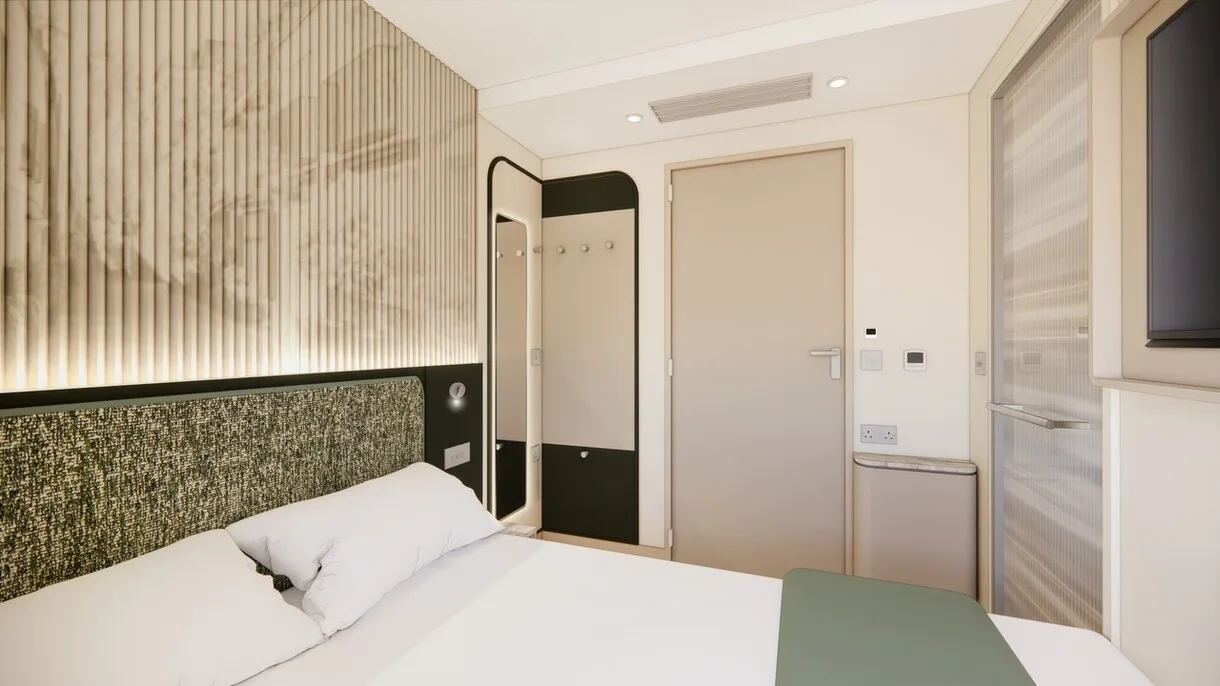
The realistic Titanium path blends three components: paid nights from work travel (the largest source for most successful candidates), elite night credits from Bonvoy co-brand cards (35-40 free credits a year if you hold both), and strategic award-stay redemptions that count toward qualification just like paid stays do.
A worked example helps. Take a senior consultant based in London with a long-running engagement that requires three nights in New York every other week, ten months a year. That cadence produces roughly twenty-five trips of three nights each, seventy-five nights of work travel, which clears Titanium on paid stays alone. Add the Bonvoy Brilliant in the wallet and the same traveller is at 100 elite nights by year-end, putting Ambassador within reach if the qualifying spend matches. Drop the engagement to one trip a month and the paid-night total falls to 30 nights, requiring 45 more from leisure stays or card credits to clear Titanium, at which point the 35-40 credits from holding both cards become the load-bearing maths.
Free-night certificates from anniversary card benefits count as paid nights for elite-night purposes. The Bonvoy Brilliant grants an 85,000-point anniversary certificate, and the Bonvoy Boundless grants a 35,000-point certificate. Using these for booked-and-completed stays, even at properties you might otherwise visit on points, stretches the paid-night ladder without inflating cash spend. The redemption mechanics are documented on the Bonvoy free-night-certificate page.
For travellers within reach of Titanium but not naturally clearing it, the December mileage-run-equivalent is a recurring feature of Bonvoy strategy. Booking a series of one-night stays at low-rate brands in your home market in late December is uneconomic relative to most travel goals but can be the cheapest way to convert a 70-night year into a 75-night Titanium qualification. The maths only works if you are otherwise close to the line; pushing from 60 to 75 by mileage-run alone rarely pencils out.
Titanium's most common surprise is the breakfast carve-out at leisure brands. Like Platinum, Titanium does not automatically get the in-room or lounge breakfast benefit at Ritz-Carlton or St. Regis stays; the carve-out applies the same way at both tiers. Travellers who chase Titanium specifically for the breakfast benefit at aspirational brands are operating on a misreading of the published benefits matrix.
The second pitfall is the suite-upgrade lottery, which Titanium does not solve. The published suite-upgrade-when-available language at Titanium is the same as at Platinum, and at high-occupancy business hotels in cities like London, New York, or Singapore on a weekday, the practical answer is often that no suite was available. Suite Night Awards from the Choice Benefit menu are the workaround at Titanium as at Platinum, apply them five days out and you trade probability for guarantee.
The third surprise is the qualifying-spend question for travellers eyeing Ambassador. Many Titaniums assume that 25 more nights gets them to Ambassador, and arithmetically that is correct on the night count. But Ambassador layers on the US$23,000 qualifying spend gate as well, and Bonvoy applies an all-of logic on the two conditions. A 100-night Titanium who spent only US$15,000 on qualifying activity stays at Titanium for the following year, regardless of how cleanly they cleared the night count. The path to Ambassador is therefore conditional on rate selection as well as night accumulation.
Titanium Elite is the Bonvoy tier where most frequent business travellers stop, and the right place to stop. The benefits over Platinum are meaningful but incremental, the qualification cost is significant but achievable for genuinely full-time travellers, and the 75-night gate sits at the natural intersection of work-travel cadence for senior consultants, sales coverage roles, and regional operators. For travellers above that band, Ambassador's additional benefits are real but come with a spend gate that does not pencil out for everyone. Track your nights to Titanium, the next step to Ambassador, and the rest of the year's hotel decisions free with Miles Mosaic.
See your requalification forecast in under a minute. No account, and never a loyalty password.
Forecast my status, free →Share
Last reviewed: · How we research and update
Marriott Bonvoy Ambassador in 2026: 100 nights plus US$23k spend, Ambassador Service, Your24, and dual-gate reality.
Read article →Marriott Bonvoy Platinum Elite in 2026: 50-night gate, suite upgrades, lounge access, and how to actually qualify.
Read article →Marriott Bonvoy in 2026: elite tiers, variable award pricing, PointSavers, Cash + Points, Stay for 5 Pay for 4, and when the programme dese…
Read article →