Credit-Card Shortcuts to Elite Status: Which Cards Actually Move the Needle in 2026
An honest editorial on the credit-card mechanisms that genuinely accelerate elite status in 2026, and the ones that are mostly marketing.
Read article →Independent Miles Mosaic guide. No programme partnerships, no account linking, no scraped balances. Sources cited below; corrections welcomed.

Airport lounge access is decided at the door, by whichever rule the lounge itself publishes, and there is no single industry standard behind those rules. Five shapes cover almost every case: alliance status, a network membership such as Priority Pass, a specific card, a ticketed premium cabin, or a paid walk-up. Each carries its own conditions.
The tool most travellers used to reach for is gone. American Express folded LoungeBuddy into its own marketing: loungebuddy.com now forwards to Amex's Global Lounge Collection page, which advertises more than 1,550 lounges across 140 countries and will not answer a lounge question until you pick a card. Nothing general-purpose replaced it.
So the question is still mostly answered by forum threads and blog posts of unknown vintage, and travellers still get turned away holding status, a card or a membership they were certain would work.
Alliance status looks like the simplest path in. It has the most carve-outs.
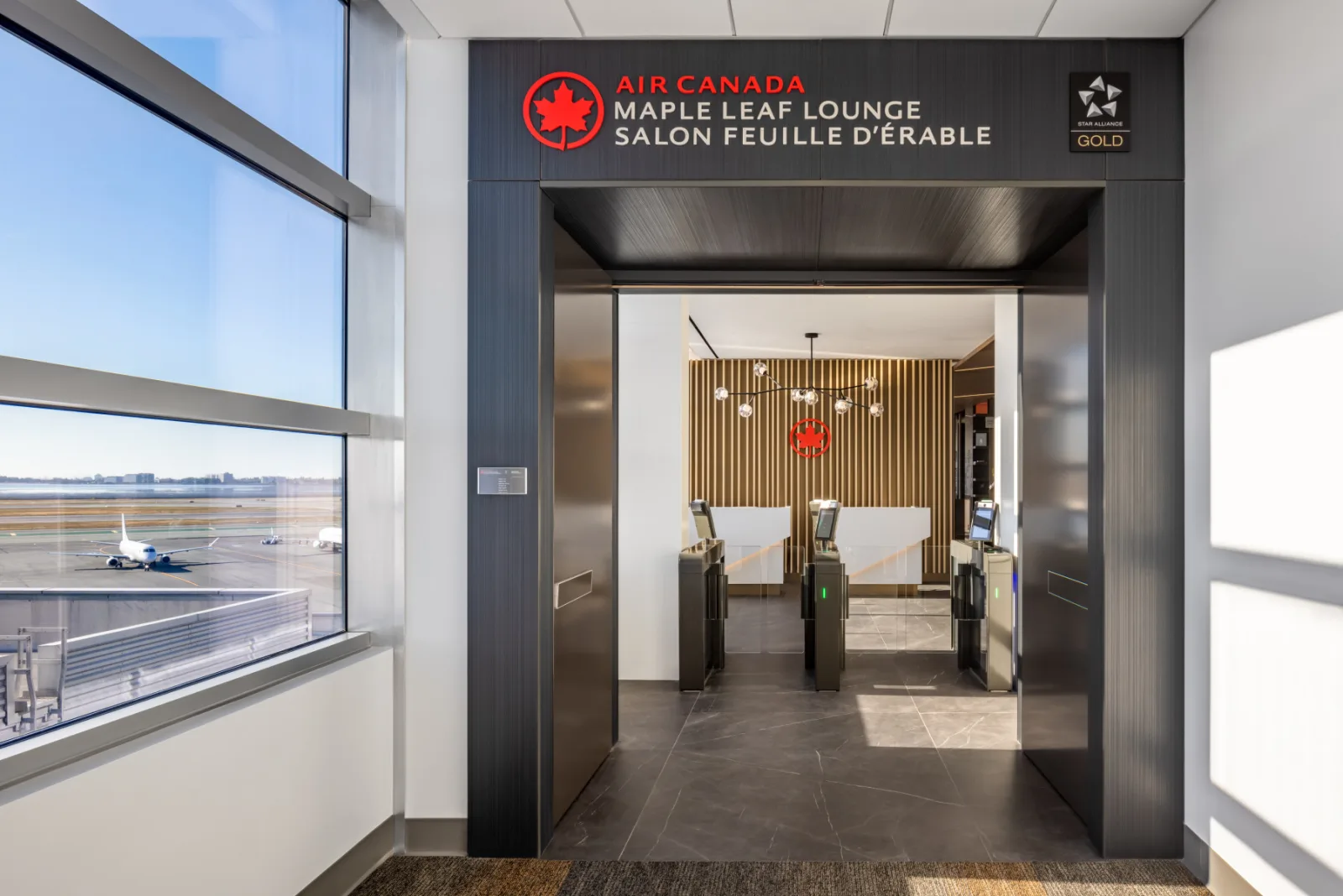
Star Alliance states the Gold lounge benefit in a single line on its published benefits page: more than 1,000 lounges worldwide, six of them Star Alliance's own, when you fly with any member airline. That line carries none of the exceptions. They sit in the alliance's separate lounge access policy, and in each member carrier's own policy on top of it. The alliance policy gives Gold one guest, who must be on the same Star Alliance flight, and carves out United: a United MileagePlus member with Star Alliance Gold may use United Clubs in the US only when departing on an international Star Alliance flight, not on a domestic United flight. A traveller reading only the benefits page has read half the rule, which is how valid Gold status gets declined at a domestic gate and accepted at an international one the next morning. If you are working out where your own tier lands, our Star Alliance guide covers the earning side.
oneworld draws its line mainly at the tier rather than the route. Its travel benefits table gives Emerald access to First and Business Class lounges, gives Sapphire access to Business Class lounges, and gives Ruby no lounge access at all, with a stated note that exceptions exist. Two members can travel on the identical flight, in the identical cabin, and only one clears a specific door. Its lounge access policy adds the conditions. The flight must be both marketed and operated by a oneworld airline. Emerald and Sapphire members may bring one guest, who must also be on a flight marketed and operated by a oneworld carrier. British Airways' Concorde lounges, and the Chelsea lounge at New York JFK Terminal 8, sit outside the policy altogether. American's Admirals Club rules and British Airways' lounge eligibility page both repeat the one-guest allowance for Emerald and Sapphire. The oneworld guide sets out which programmes map to which tier.
SkyTeam, like Star Alliance, ties the guest to the member's own flight. Its lounges page says Elite Plus members may bring one guest, and that the guest must be travelling on the same SkyTeam-operated flight as the member. Not the same day, not the same terminal: the same flight. The network runs more than 750 lounges on that rule, its own Vancouver facility among them, and it adds that reservations are not required. Domestic trips are the newer exception: since 1 April 2025 Elite Plus opens select member lounges on domestic flights too, not the whole network. Our SkyTeam guide has the tier detail.
The cross-honouring is the part that catches people. Status earned on one member airline is recognised by other members' lounges, so a United Premier Gold can generally use a Lufthansa-operated lounge on a same-alliance itinerary even though the two are unrelated businesses. What does not travel with the status is the home airline's habits. A traveller who has only ever used their own carrier's clubs assumes those rules hold at a partner hub, and the alliance line they half-remember does not mention the partner's exceptions.
Outside the three alliances sits a second layer that has nothing to do with which airline you are flying. It is the path available to a traveller with no elite status at all.
| Network | How you get it | Tied to an airline? | Guest policy | Known exclusions |
|---|---|---|---|---|
| Priority Pass | Bought direct as a membership, or issued by a card issuer as Priority Pass Select | No | Guests must register and enter at the same time as the member; visits carry a per person, per visit charge at the plan's rates | Holding a means of access does not guarantee access, and it is subject to capacity restrictions |
| The Centurion Network | Held on eligible American Express cards | No, though a separate Delta Sky Club allowance rides on some Amex cards | Set per card in that card's own benefit terms, not by the network | Capacity. Amex runs a digital waitlist at US Centurion Lounge locations for Platinum and Delta Reserve Card Members |
| Capital One Lounges and Landings | Venture X primary cardholders, after enrolling in the Capital One app | No | Guests must be accompanied by an eligible cardholder, and guests under 18 by an adult | Capital One states access is not guaranteed and is subject to space availability |
| Delta Sky Club | Individual or Executive membership bought from Delta, or a visit allowance attached to an eligible card | Yes, Delta | Executive Membership admits two guests free, plus two more for a fee; Individual Membership admits two guests or immediate family at $50 or 5,000 miles per guest per visit | Card-linked entry is capped rather than open: Delta publishes 15 visits each Medallion Year for Reserve Card Members |
| Other airline clubs (Admirals Club, United Club) | Membership sold by the airline, or granted by a co-branded card. No elite tier required | Yes | Set per club by the operating airline | Programme-specific. One airline's club rule does not carry across to another's |
Notice where the guest column keeps landing. Four of those five rows push the answer down to the individual card, membership or lounge, so there is no network-level answer to give. And a ticketed passenger in business or first can often enter on the cabin alone, with no status and no membership involved, which is why cabin and itinerary are worth checking separately from whatever is in your wallet.
The mechanic most often misread is that a card usually grants access by conferring a real membership in one of the networks above. The lounge is not checking your card against a card-specific rule; it is checking the membership your card produced.
Amex demonstrates this on its own page. The Global Lounge Collection finder will not answer a lounge question until you select which card you hold, because the answer changes with the card and not with the airport. Capital One's own Venture X page is more explicit: primary cardholders get access to 1,300 or more participating Priority Pass lounges worldwide, and to Capital One's own Lounge and Landing locations. One card, several networks, none of which mention the card at the door. If you are picking a card for what it unlocks rather than what it earns, our guide to card shortcuts to elite status covers the trade-off.
That same mechanic produces the sharpest gotcha in the system, and it is narrower than the version usually repeated online. Priority Pass's own conditions of use say that visits, including those by accompanying guests, are billed at the rates and terms notified either by Priority Pass or by your payment card provider. The network's terms also refer throughout to a Lounge or Merchant rather than to lounges alone, and state that Priority Pass is not responsible for charges made by a Merchant. Dining venues sit in that Merchant category.
Put those two clauses together and the practical rule is this: what your membership covers at a dining venue is set by the terms attached to your specific membership, which for a card-issued membership means the issuer's benefit terms. Two travellers can both hold Priority Pass, walk into the same restaurant, and get two different answers. Read the issuer's benefit page, not the network's venue list.

A third category of rule caps how often, not whether. Delta's own Sky Club page publishes the clearest example: Reserve Card Members get 15 visits each Medallion Year. That is a number, it is countable, and it runs out. Delta's Sky Club access and guest rules then draw the guest line at the membership you bought. Executive Membership admits two guests or immediate family free, and two more at $50 or 5,000 miles each. Individual Membership admits two guests or immediate family as well, but each one costs that charge on every visit.
A cap changes what any lookup tool can truthfully tell you. Whether this specific visit clears depends on how many visits you have already used this year, which no public tool can see. The correct output there is conditional, not a guessed green tick, because a false yes sends someone to a door that turns them away.
Same-day conditions work the same way. Several card-linked benefits open or widen only when you are flying a particular carrier that day, and fall back to something narrower otherwise. The condition is published; it just is not published in the place people look, which is the card's marketing page rather than its benefit terms.
Every lounge publishes some combination of five rule shapes. None are secret. They just have to be checked against the specific status, card, membership and flight in front of you, on the day.
| Path in | What it needs | Works on a domestic segment? | Guests | Typical catch |
|---|---|---|---|---|
| oneworld Sapphire | Sapphire tier on any oneworld programme, on a flight marketed and operated by a oneworld airline | Programme-specific. oneworld lists carrier exceptions, including AAdvantage members on US domestic flights | One, who must also be on a flight marketed and operated by a oneworld carrier | Business Class lounges only, and not Qantas Domestic Business Lounges. A First Class lounge is an Emerald door |
| oneworld Emerald | Emerald tier on any oneworld programme, on a flight marketed and operated by a oneworld airline | Programme-specific, on the same basis as Sapphire | One, on the same terms as Sapphire | The widest alliance access here, but British Airways' Concorde lounges sit outside the oneworld policy |
| Star Alliance Gold | Gold status on any Star Alliance programme, flying a member airline | Programme-specific. The alliance's lounge policy carves out United: United's own MileagePlus Golds get US United Clubs only on international departures | One, travelling on the same Star Alliance flight | The alliance line and the operating airline's lounge policy are two different documents |
| SkyTeam Elite Plus | Elite Plus status. SkyTeam adds that reservations are not required | At select lounges only, since 1 April 2025. Otherwise it needs a same-day international SkyTeam-operated flight, or a connection onto one | One, and that guest must be on the same SkyTeam-operated flight | Same flight, not merely the same day |
| Priority Pass (bought direct) | A paid membership in the network | No flight-type condition in the network's terms; the location's own policy governs | Must register and enter at the same time as you, at a per person, per visit charge | The network's terms state entry is not guaranteed and is subject to capacity |
| Priority Pass Select (card-issued) | An eligible card, then enrolment. Capital One, for one, enrols you in its app | As above: set by the location, not by the card | Billed at the rates and terms your card issuer notified, not the network's | Two people holding Priority Pass can hold different entitlements |
| Centurion Lounge | An eligible American Express card. The lounge finder answers per card | Not published as a condition; location and hours govern | Set in each card's own benefit terms | Capacity. Amex runs a digital waitlist at US locations for eligible Card Members |
| Capital One Lounge | Venture X primary cardholder, per Capital One's own page | Not published as a condition | Must be accompanied by an eligible cardholder; under-18s by an adult | Capital One states access is not guaranteed and is subject to space availability |
| Airline club membership | A membership bought from the airline, or a card that grants entry. No elite tier required | Generally yes: these clubs sit in the operating carrier's own network | Depends on the membership sold. Delta's Executive Membership admits two guests free; Individual members pay per guest | Card-linked entry is usually capped. Delta publishes 15 visits per Medallion Year for Reserve |
| Ticketed premium cabin | A ticket in a cabin the lounge admits. All three alliances admit international First and Business on member-operated flights | Programme-specific. Star Alliance, for one, states that United's domestic First and Business do not open United Clubs | First: one guest under oneworld and Star Alliance rules. Business: none under Star Alliance; oneworld and SkyTeam publish no Business-cabin guest allowance | Cabin and status are separate doors; one does not answer for the other |
| Paid walk-up | Money, and a lounge that sells entry. Star Alliance sells entry to its own lounges, including the one at Los Angeles | Whatever the seller's own terms allow | Priced per person, as a membership visit is | A lounge at capacity has nothing to sell |
Two of those rows are worth pulling out of the table. Star Alliance sells timed entry to its own lounges, including the one at Los Angeles, through its paid lounge entry page, so a walk-up is a published product and not a favour asked at the desk. And a card-issued Priority Pass has to be switched on: Capital One's own instructions have Venture X holders enrol in the Capital One app first, and add that a guest must be accompanied by an eligible cardholder, with under-18s accompanied by an adult.
Miles Mosaic's free lounge access checker works through that grid: select what you hold, pick your airport, and it returns a reasoned answer per curated lounge, sourced and dated, with an amber flag on anything not re-verified in the last six months. The directory currently carries curated lounge rows for 67 of the 75 airports in its launch scope, and labels the ones it has not reached. It sits alongside our other free tools.
Even a perfectly current rule is not a promise, and the operators say so in their own terms rather than leaving it to be inferred.
Priority Pass states that holding a means of access does not guarantee access or continued access, that it is subject to capacity restrictions, and that Priority Pass has no control over a location's decision to admit anyone or over how many people it lets in at a time. Capital One states on its Venture X page that access is not guaranteed and is subject to space availability. American Express publishes a digital waitlist for its US Centurion Lounge locations, which Platinum and Delta SkyMiles Reserve Card Members join through the Amex app. Queues get built for rooms that fill.
Rules move as well. A network renegotiates a partnership, an airline rewrites its club terms, and a page that was accurate in March is wrong by August. Treat any answer, from this tool or another, as what the published rule currently says and when a human last confirmed it, which is why every row in our checker carries a date. Airline status is not the only loyalty currency that behaves this way; the same verification habit applies to hotel status.
Rules were checked against each operator's own page on 25 August 2026; guest, cabin and domestic rules from the three alliances, Delta, American and British Airways were re-read on 17 September 2026. External sites open in a new tab.
See your requalification forecast in under a minute. No account, and never a loyalty password.
Forecast my status, free →Share
Last reviewed: · How we research and update
An honest editorial on the credit-card mechanisms that genuinely accelerate elite status in 2026, and the ones that are mostly marketing.
Read article →oneworld in 2026: the live 15-member roster, Ruby, Sapphire and Emerald benefits, the best frequent-flyer programmes to hold, the strongest…
Read article →Star Alliance in 2026: the 26-airline roster, falling to 25 when Asiana leaves in December, Gold benefits, and the best programmes to hold.
Read article →A 1.5-cent redemption is great on one programme and mediocre on another. Six grading bands, 11 programme baselines, and three worked exampl…
Read article →