United MileagePlus: The 2026 Guide
United MileagePlus in 2026: the modern PQP/PQF Premier framework, non-expiring miles, Star Alliance value, card-linked PQP earning, and how…
Read article →Independent Miles Mosaic guide. No programme partnerships, no account linking, no scraped balances. Sources cited below; corrections welcomed.
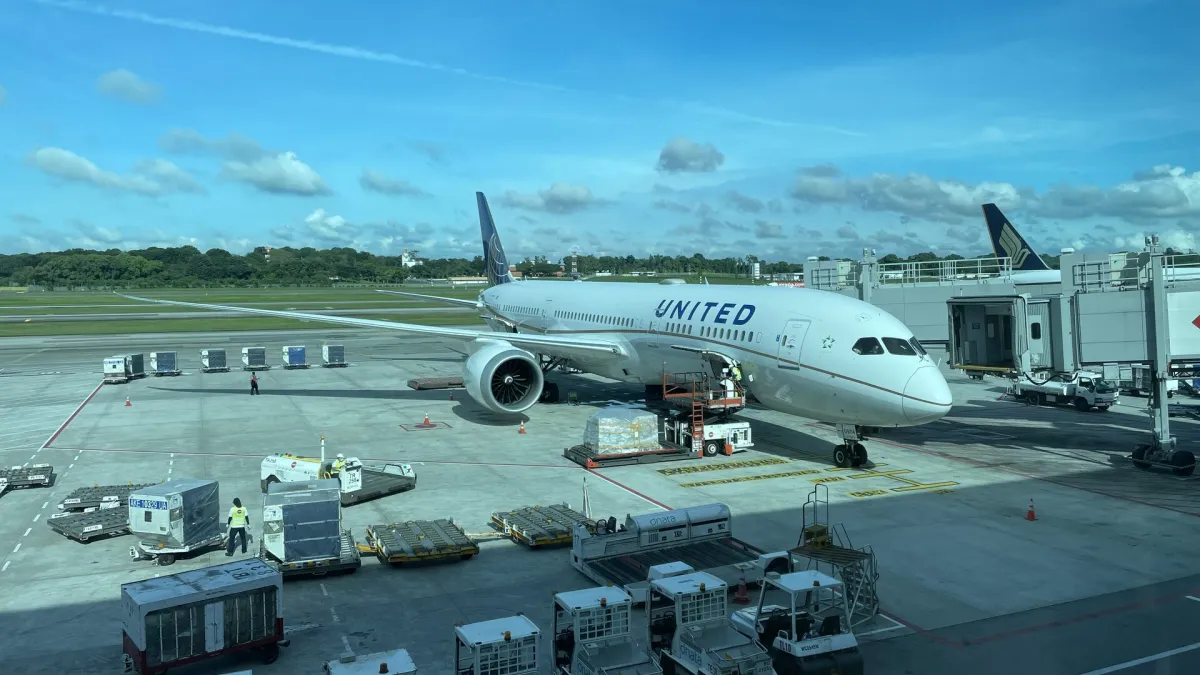
From 1 January 2027, United MileagePlus Premier status is earned on Premier qualifying points (PQP) alone. United announced on 13 October 2026 that flight segments stop counting; Silver, Gold and Platinum stay at 6,000, 12,000 and 18,000 PQP, Premier 1K rises from 28,000 to 32,000 PQP, and four United flights remain compulsory.
That is the clearest move yet by a big US airline from rewarding how often you fly to rewarding how much you spend. For Silver, Gold and Platinum members who already qualify on spend, the target does not move. For three groups it moves a great deal: people who reach their tier on a high count of cheaper flights, anyone chasing 1K, and Premier members without a United credit card, who quietly lose a deposit they received this year.
United set out the new structure on its MileagePlus “What’s new” page, in an entry posted on 13 October 2026. The 2026 columns below come from United’s Premier qualification page, which still shows both routes for this year.
| Tier | 2026: flights + points | 2026: points only | 2027: points only |
|---|---|---|---|
| Premier Silver | 15 PQF + 5,000 PQP | 6,000 PQP | 6,000 PQP |
| Premier Gold | 30 PQF + 10,000 PQP | 12,000 PQP | 12,000 PQP |
| Premier Platinum | 45 PQF + 15,000 PQP | 18,000 PQP | 18,000 PQP |
| Premier 1K | 60 PQF + 22,000 PQP | 28,000 PQP | 32,000 PQP |
Every tier keeps the minimum of four flights operated by United or United Express in the calendar year, and United’s 2027 terms state that the minimum applies to cardmembers too. Partner-operated flights still earn PQP, but they do not count towards those four.
Premier status is earned on activity in one calendar year and used in the next programme year, which runs to the end of January. United’s qualification page says that status reached in 2026 does not expire until 31 January 2028. So:
Nobody loses status on 1 January 2027 because of this change. What changes is the target for the year that starts then.
The flights-plus-points route has always let a frequent flyer on cheaper fares reach a tier with fewer PQP than the points-only route. From 2027 that discount disappears. The extra spending needed to hold the same tier is the gap between the two PQP figures:
| Tier | 2026 PQP on the flights route | 2027 PQP | Extra PQP | Increase |
|---|---|---|---|---|
| Premier Silver | 5,000 | 6,000 | 1,000 | 20% |
| Premier Gold | 10,000 | 12,000 | 2,000 | 20% |
| Premier Platinum | 15,000 | 18,000 | 3,000 | 20% |
| Premier 1K | 22,000 | 32,000 | 10,000 | 45% |
On United and United Express flights, United awards one PQP per US dollar of base fare and carrier-imposed surcharges; taxes and other fees earn nothing. A Gold member who flew 30 segments this year needs about US$2,000 more of eligible fares in 2027 to stay Gold, and the 30 segments no longer help at all. For 1K the gap is about US$10,000. Short-haul commuters on cheaper fares are the people the old route quietly favoured, and the people this change hits hardest.
If you reach Silver, Gold or Platinum on PQP alone today, your 2027 target is unchanged. The only practical difference is the starter deposit, covered below. Whether fewer segment-route members will thin the Premier ranks and improve upgrade odds is an open question; United has not said, and it would depend on how many people change their behaviour.
The top tier rises by 4,000 PQP on the points-only route, about 14%, which is roughly US$4,000 more in annual eligible United fares. 1K is also the tier whose main currency is changing: United’s PlusPoints upgrades move to demand-based pricing for travel from 1 February 2027, which we cover in United PlusPoints are going dynamic in 2027. Paying more to reach 1K in the same year that its upgrade currency becomes less predictable is worth thinking about before you commit. Our Premier 1K guide sets out what the tier delivers today.
This is the part most summaries of the announcement underplay. In early 2026, United gave every member who had reached Premier status in 2025 a starter PQP deposit: 300 for Silver, 600 for Gold, 900 for Platinum and 1,400 for 1K, as its December 2025 update on the same What’s new page records.
For 2027 the deposit is tied to a United card. According to United’s terms, you receive starter PQP worth 5% of your tier’s requirement only if all of these are true:
| Status | Early 2026 (all Premier members) | 2027 (eligible primary cardmembers only) |
|---|---|---|
| Premier Silver | 300 PQP | 300 PQP |
| Premier Gold | 600 PQP | 600 PQP |
| Premier Platinum | 900 PQP | 900 PQP |
| Premier 1K | 1,400 PQP | 1,600 PQP |
United’s terms exclude Debit Rewards cardmembers and members in trial status, along with a short list of non-US cards: the HSBC Star Alliance card in Australia, MileagePlus Gold and Platinum cards in Ecuador and MileagePlus Scotiabank cards in Uruguay. Premier members under 18 qualify if their account is linked to an eligible adult cardmember. Quest and Club cardmembers still receive their separate annual card bonus PQP on top.
For a Premier member without a United card, the effective 2027 target is therefore higher than the headline: a Gold member who received 600 PQP free this year will start next year at zero.
In a spend-only system, the co-branded cards carry more weight. United’s 2027 update lists these annual ceilings on PQP earned from card spending:
| Card | 2026 ceiling | 2027 ceiling | Enough on its own for |
|---|---|---|---|
| United Explorer | 1,000 PQP | 1,000 PQP | No tier |
| United Quest | 18,000 PQP | 18,000 PQP | Premier Platinum |
| United Club | 28,000 PQP | 32,000 PQP | Premier 1K |
The United Club Business card rises to 32,000 as well. Today, United’s qualification page sets the earning rate at one PQP per US$15 on the Club cards and one per US$20 on the other eligible cards. The 2027 announcement does not restate those rates. If the Club card’s rate stays at one per US$15, reaching the 32,000 ceiling takes about US$480,000 of spending in a year, and Platinum on a Quest card at one per US$20 would take about US$360,000. That is a route for business owners putting company spending on a personal card, not a practical one for most people. Card PQP still needs the four United flights.
United also sells PQP directly through Premier Accelerator when you book a United flight. It is another way to close a small gap late in the year; price it against what the tier is worth to you before buying. Our wider look at credit card shortcuts to elite status compares card routes across programmes.
Plenty of travellers in Singapore and the wider region hold United status mainly for what it brings across Star Alliance. Premier Gold and above carry Star Alliance Gold, which brings lounge access and priority services on Singapore Airlines, ANA, EVA Air, Thai and the other member airlines; see our Premier Gold guide for the detail. For this group, losing the segment route matters less than two rules that already apply.
You still need four flights operated by United or United Express in the year. For someone based in Singapore, that usually means two return trips on United-operated flights to the US, or one trip with United-operated domestic connections once you arrive. If your 2027 calendar has no United-operated flying, partner flights alone will not get you Premier status, however many you take.
How a Star Alliance flight earns PQP depends on which airline issued the ticket. On a ticket issued by United (ticket numbers starting 016), eligible partner flights earn from the fare, like United’s own: United’s February 2026 earning update bases miles on the eligible fare for Star Alliance and other partner flights on tickets issued by United, and PQP follow the base fare and carrier-imposed surcharges. On a ticket issued by the partner itself, for example a Singapore Airlines ticket bought on singaporeair.com and credited to MileagePlus, PQP are a fraction of the award miles the flight earns, with a ceiling per flight. United’s qualification page splits partners into two groups for that calculation:
| Partner group | PQP earned | Cap per flight: economy / premium economy | Cap per flight: business / first |
|---|---|---|---|
| Preferred partners including Air Canada, Air China, Air New Zealand, ANA, Austrian, Lufthansa, SWISS and Virgin Australia |
1 PQP per 5 award miles | 750 | 1,500 |
| Other MileagePlus partners including Singapore Airlines, EVA Air, Thai, Air India, Asiana and Turkish Airlines |
1 PQP per 6 award miles | 500 | 1,000 |
On partner-issued tickets, the caps set a hard floor on how much flying it takes. Singapore Airlines sits in the second group, so even a long business-class flight on a Singapore Airlines ticket that hits the cap earns 1,000 PQP. Earning all of Premier Gold’s 12,000 PQP that way would take twelve business-class or 24 economy flights that each hit the cap; PQP from the four required United flights, a United card or a starter deposit reduce that number, and shorter regional flights earn well under the cap. Buying the same Singapore Airlines flights on a United-issued ticket changes the arithmetic, because PQP then follow the fare, so compare the price and the PQP of both ways of booking before you commit.
Under the 2026 rules, a member could combine 30 partner and United segments with 10,000 PQP for Gold. From 2027, the segment count stops helping: the same member needs 12,000 PQP in total from flights, cards and deposits, alongside four United or United Express flights. If you credit a lot of Asian Star Alliance flying to United, model 2027 now, ticket by ticket, and compare with crediting the same flights to KrisFlyer or Aeroplan. Our Star Alliance guide explains how the alliance tiers map across programmes.
Delta already qualifies Medallion status on a single spending measure, Medallion Qualifying Dollars, and Delta’s newsroom confirmed in a December 2025 update that the thresholds for Medallion status in 2027 stay the same, with Diamond at 28,000 MQD. Delta has not yet said what 2027 activity will need. United’s change brings its system close to Delta’s shape, and its new 1K target sits 4,000 above Delta’s currently published Diamond threshold. American’s Loyalty Points work differently again, mixing flight spend with card and partner activity; Executive Platinum needs 200,000 Loyalty Points in the current year, as our AAdvantage guide explains.
The same week, Southwest went in a similar but more generous direction: from 2027 every Southwest card earns status points one for one with no ceiling. We cover that in Southwest Rapid Rewards in 2027. Across the big US programmes, the question is no longer only how much you fly but where your money goes.
The hard part of a change like this is rarely one rule in isolation. It is seeing how next year’s flights, fares and card spending add up against a target. Miles Mosaic tracks MileagePlus among the 31 programmes it supports and shows whether booked and planned trips keep you on course, without asking for your United password, which matters because United cut off AwardWallet’s access to MileagePlus accounts. If the new numbers do not work for you, our guide to when to stop chasing status is a sensible next read, and the MileagePlus complete guide covers the rest of the programme.
See your requalification forecast in under a minute. No account, and never a loyalty password.
Forecast my status, free →Share
Last reviewed: · How we research and update
United MileagePlus in 2026: the modern PQP/PQF Premier framework, non-expiring miles, Star Alliance value, card-linked PQP earning, and how…
Read article →United MileagePlus Premier 1K in 2026: 22,000 PQP and 60 PQF or 28,000 PQP, 280 more PlusPoints. Top of the ladder.
Read article →United retires the fixed PlusPoints upgrade chart in February 2027 in favour of demand-based pricing. What changes, what stays, and how to …
Read article →From 1 January 2027 A-List becomes Silver, Platinum arrives and Companion Pass moves to Tier Qualifying Points. Who gains, who loses and wh…
Read article →